Life Finds a Way, Cambridge Reproduction
2025-2026
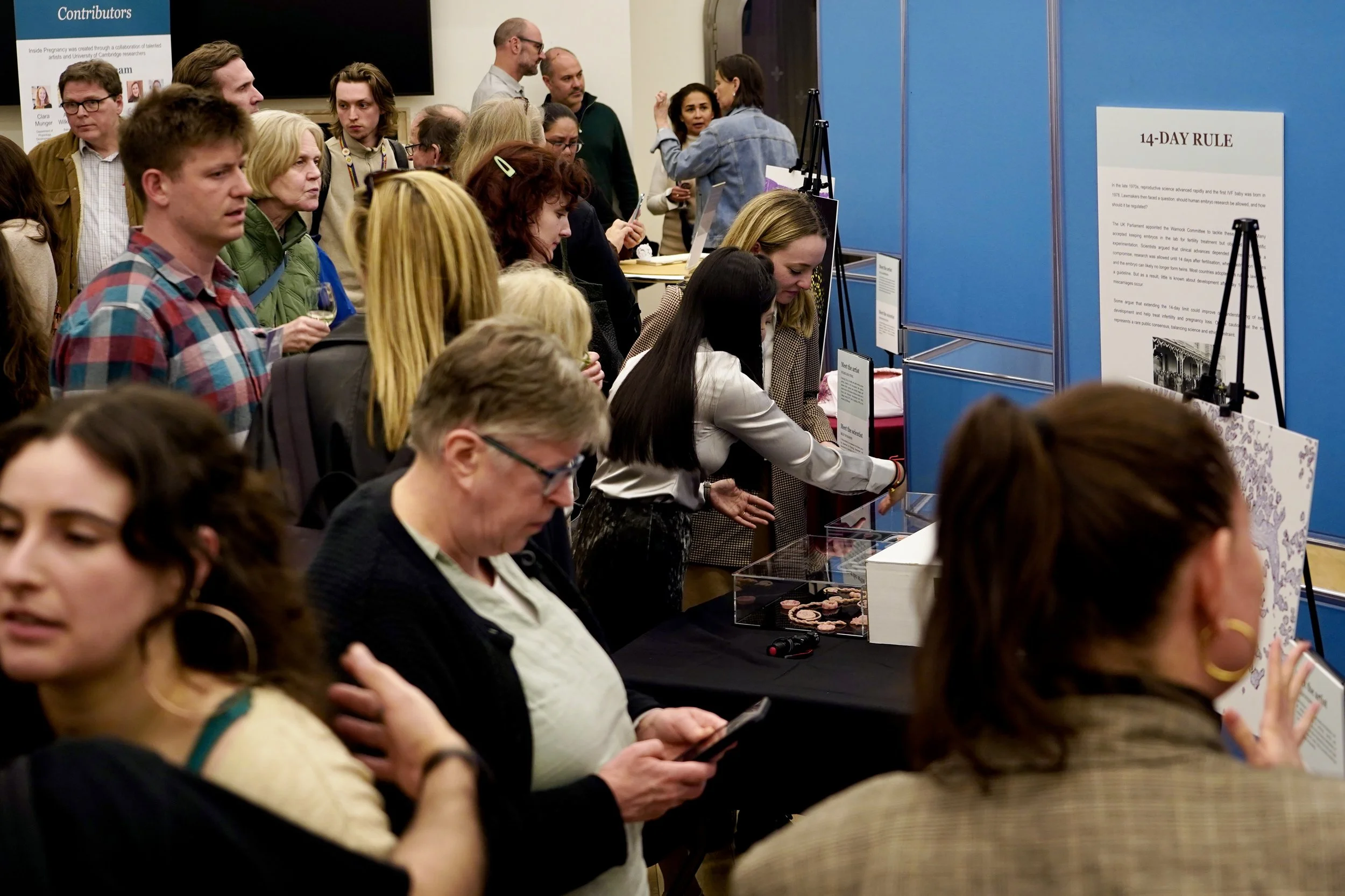
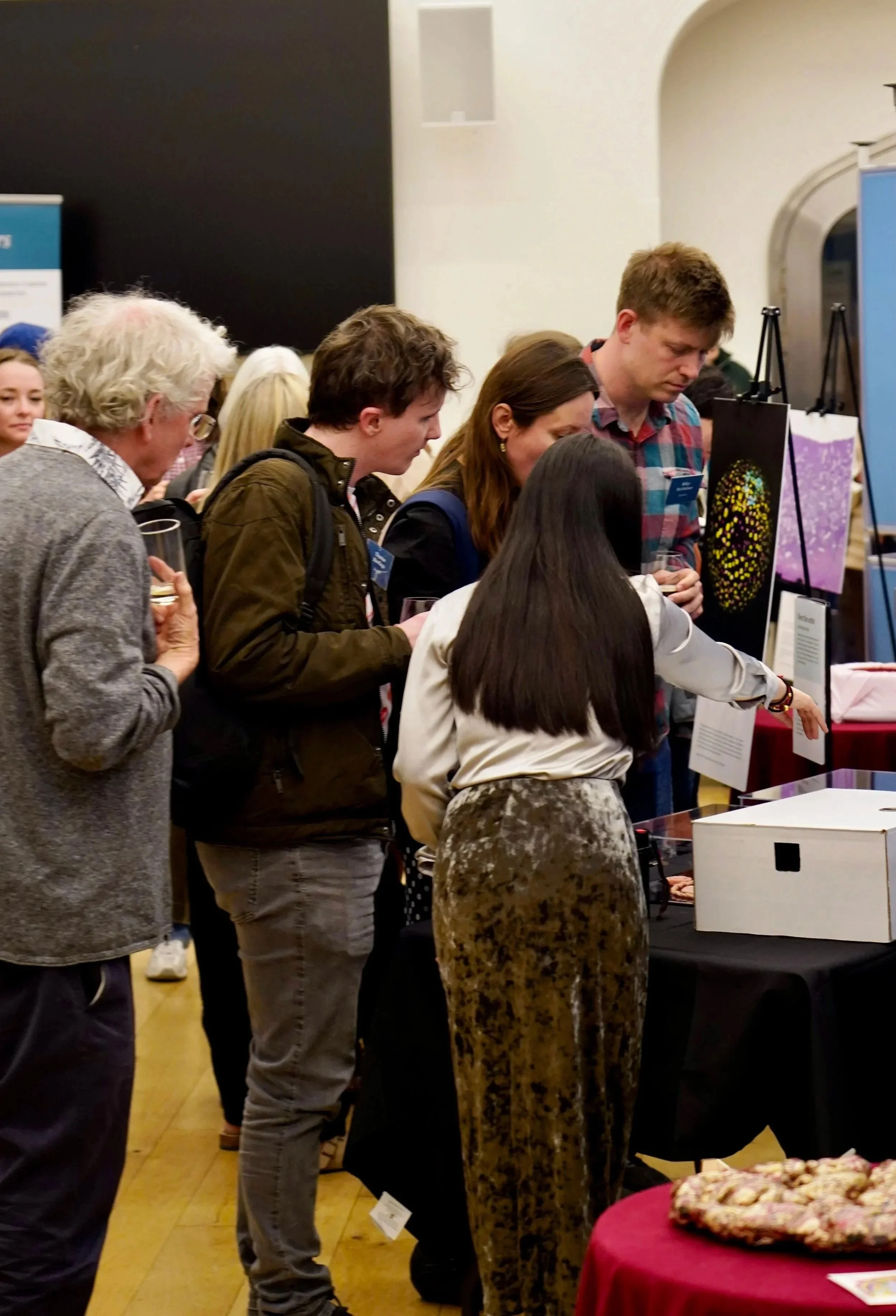
Commissioned by Cambridge Reproduction at the University of Cambridge, with support from the Babraham Institute, this project explores the earliest stages of human development, from fertilisation to blastocyst formation. The project was presented at the Cambridge Festival, where Wushuang Tong also participated as a panellist in Crafting Life: Responding Creatively to Reproduction and Women’s Health.
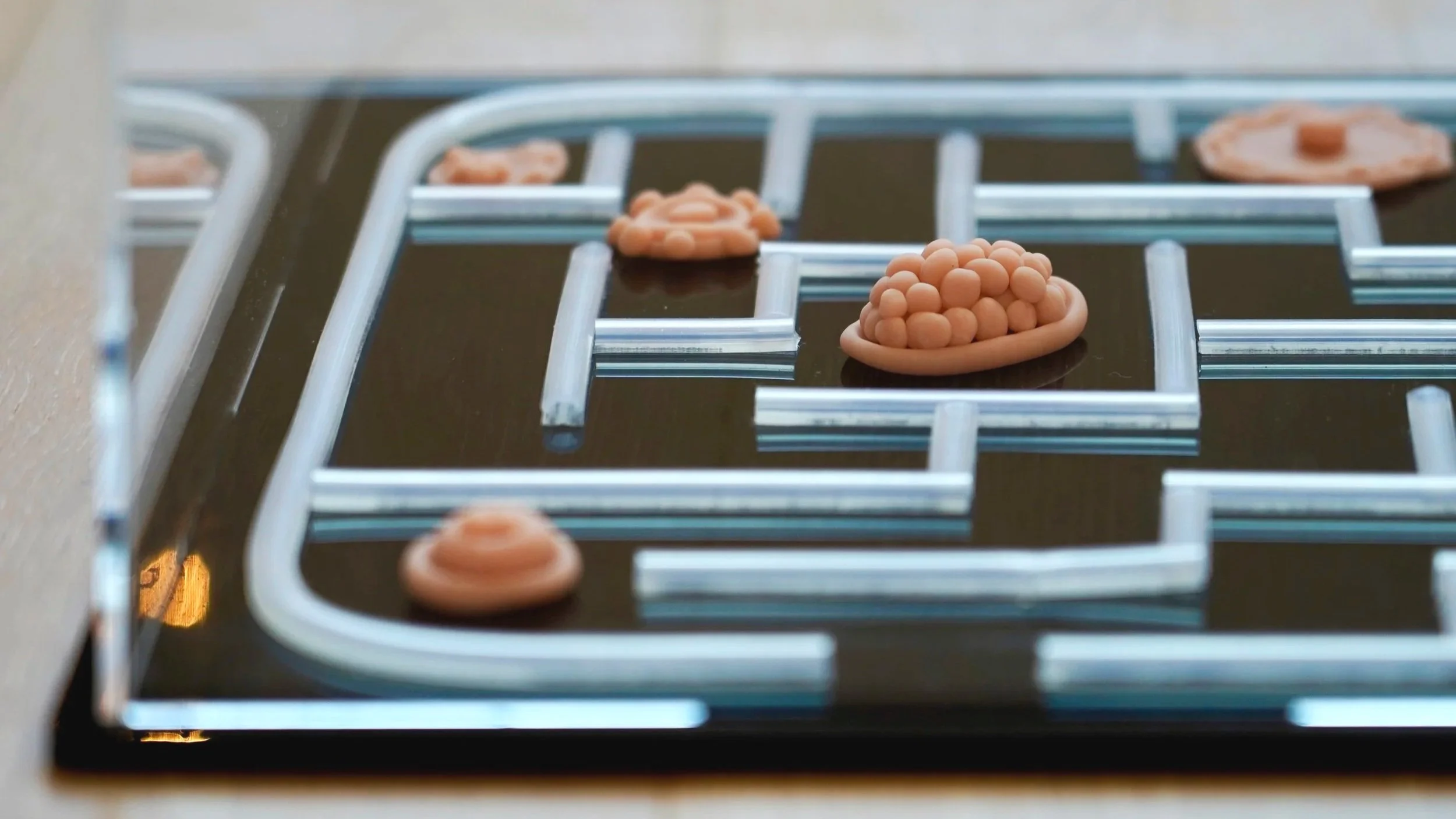
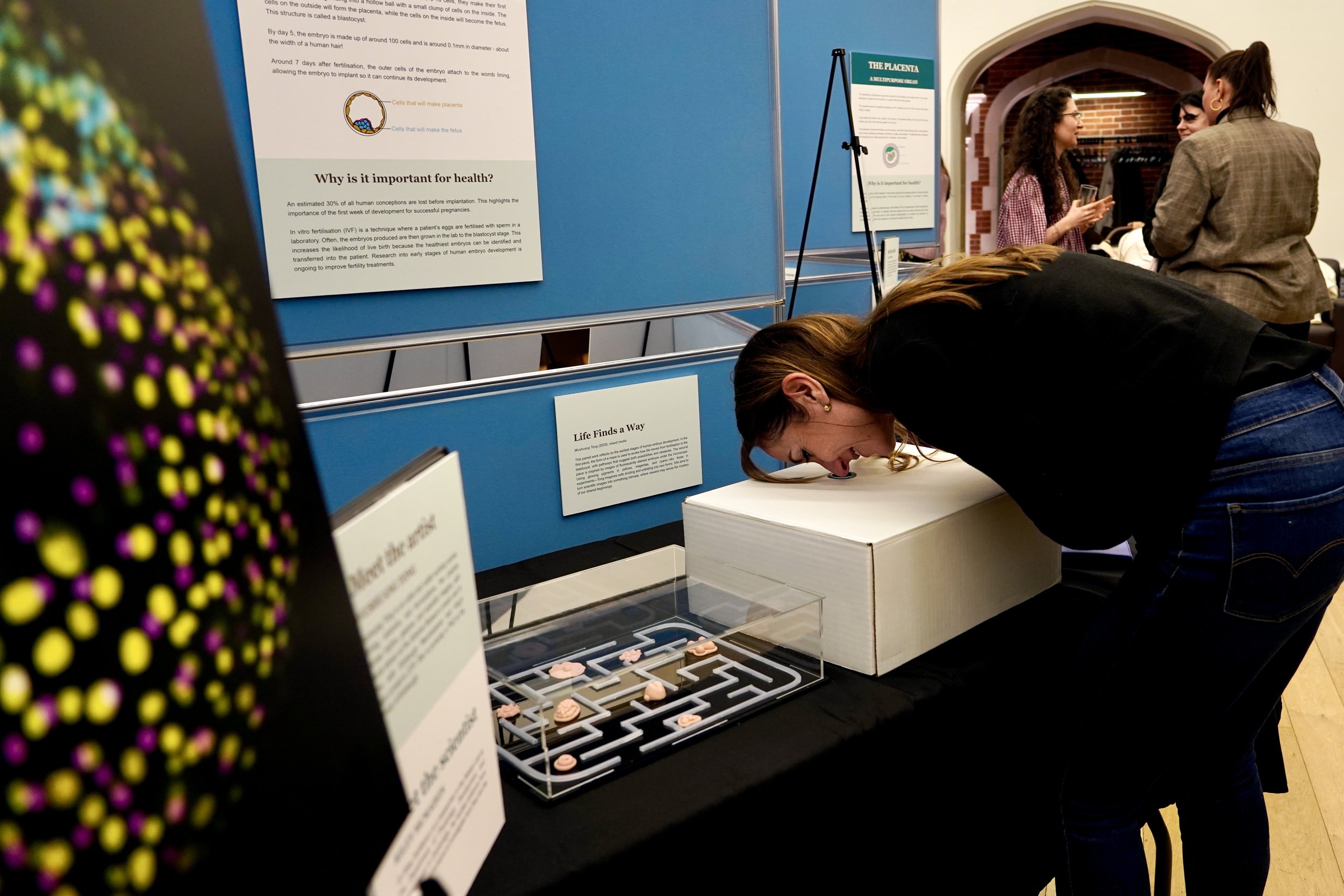
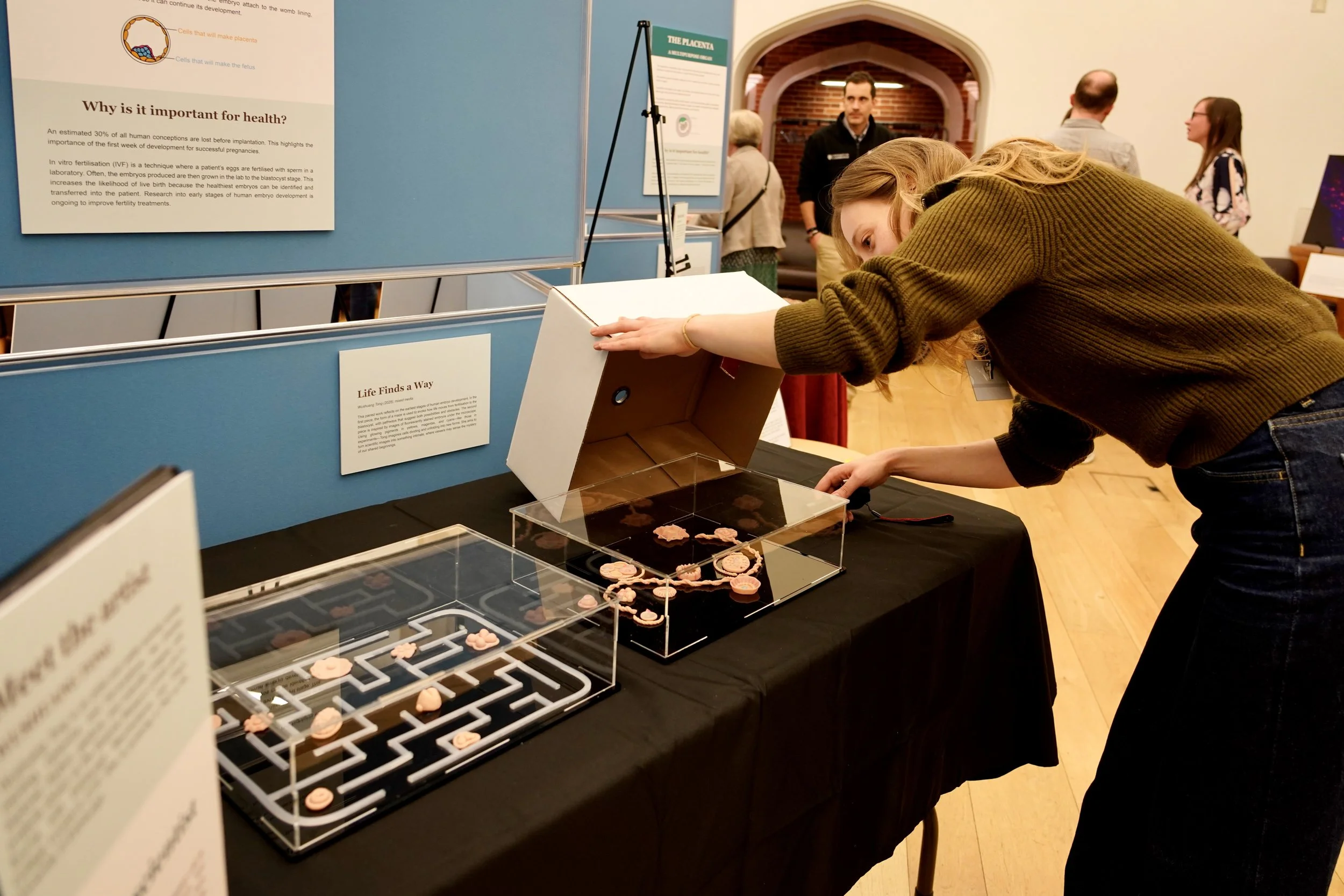
Developed in collaboration with an embryologist, Life Finds a Way is a mixed-media installation informed by research into cell division, differentiation, and the varied developmental pathways of early human embryos. The work consists of two sculptural compositions: a maze tracing different developmental stages and possible pathways, and a star-like arrangement reflecting cellular growth and the formation of the blastocyst. Together, they also address the uncertainties of embryonic development, particularly in the context of in vitro fertilisation (IVF).
Scientific Collaborator: Dr Riley McMahon · Niakan Lab
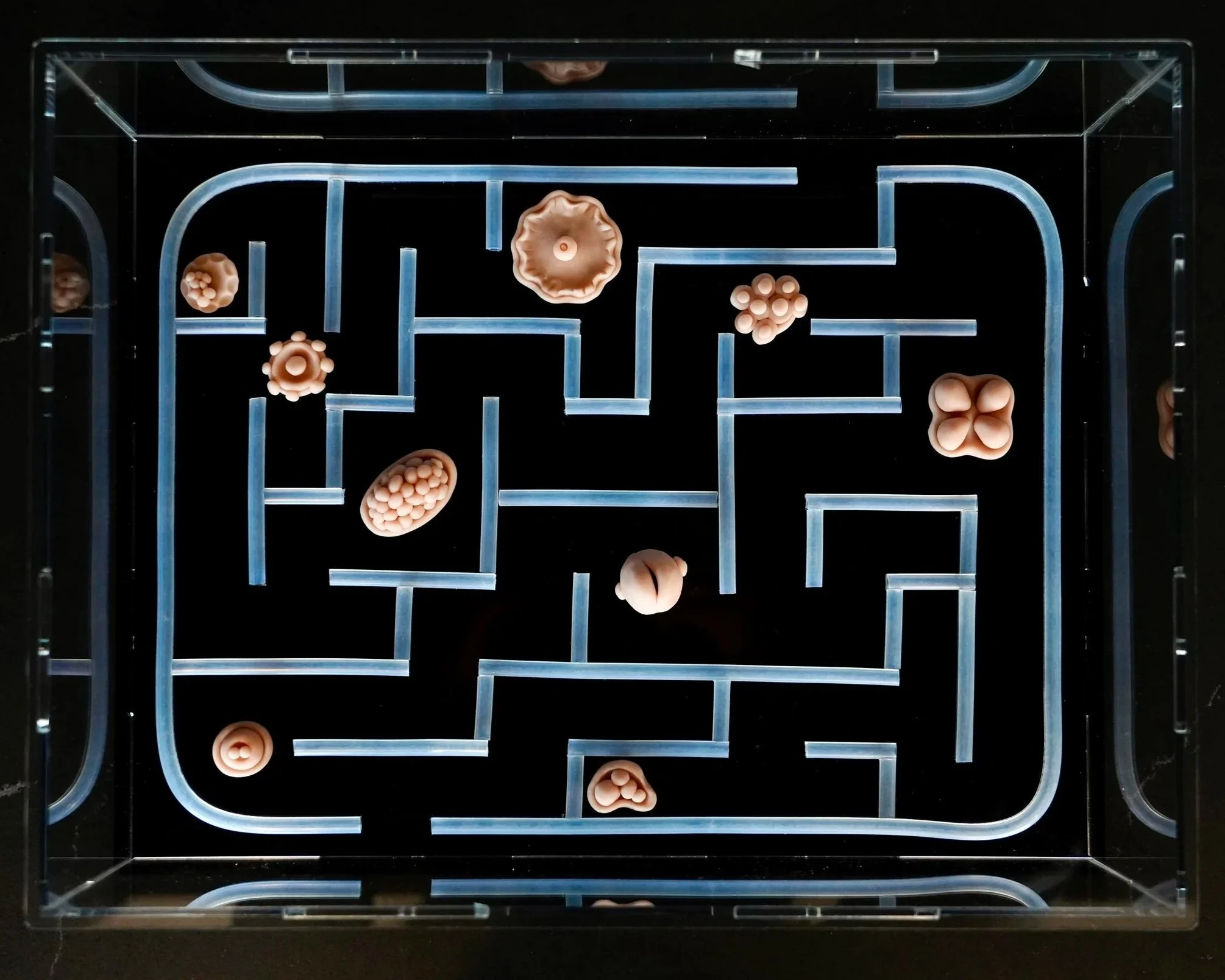
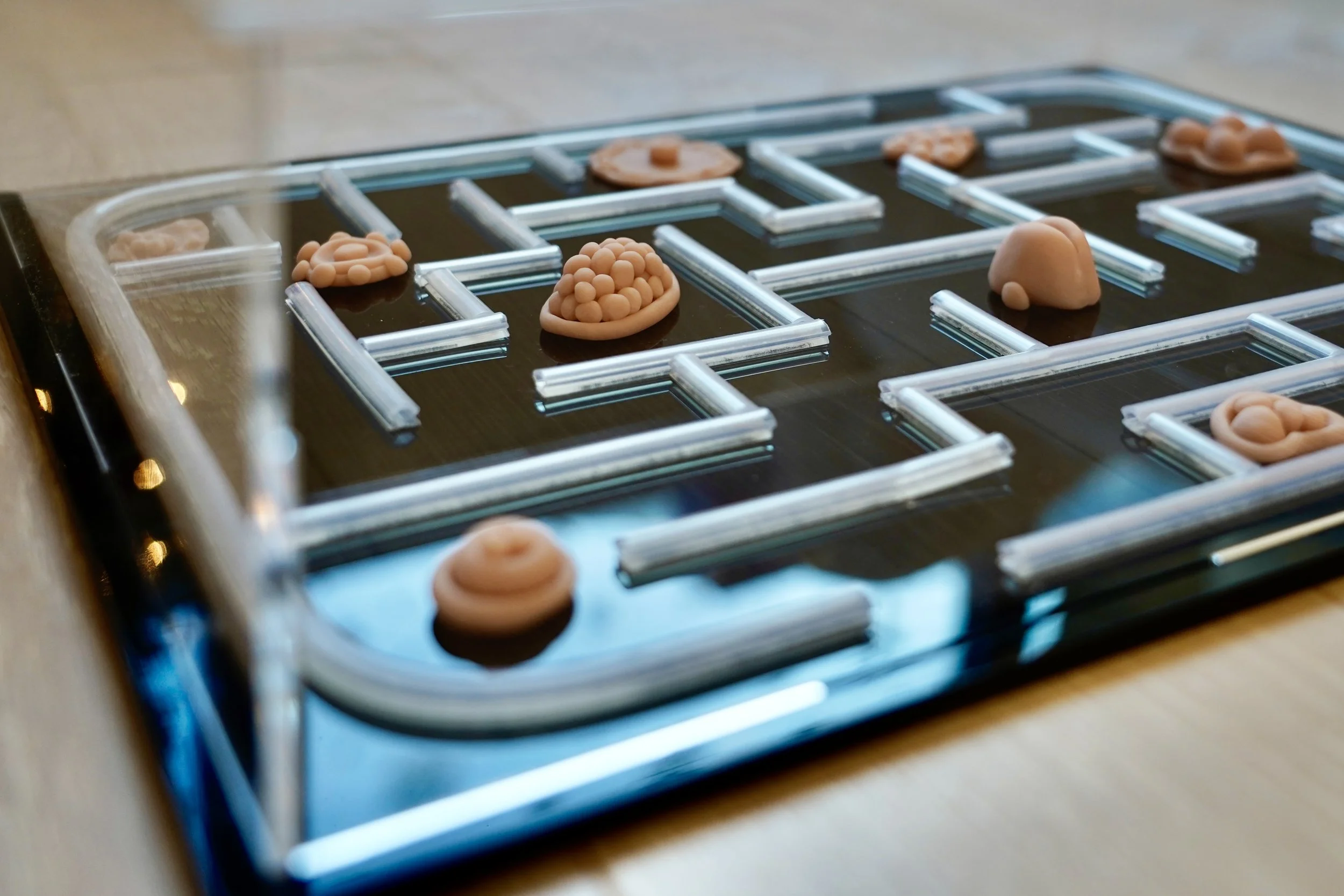
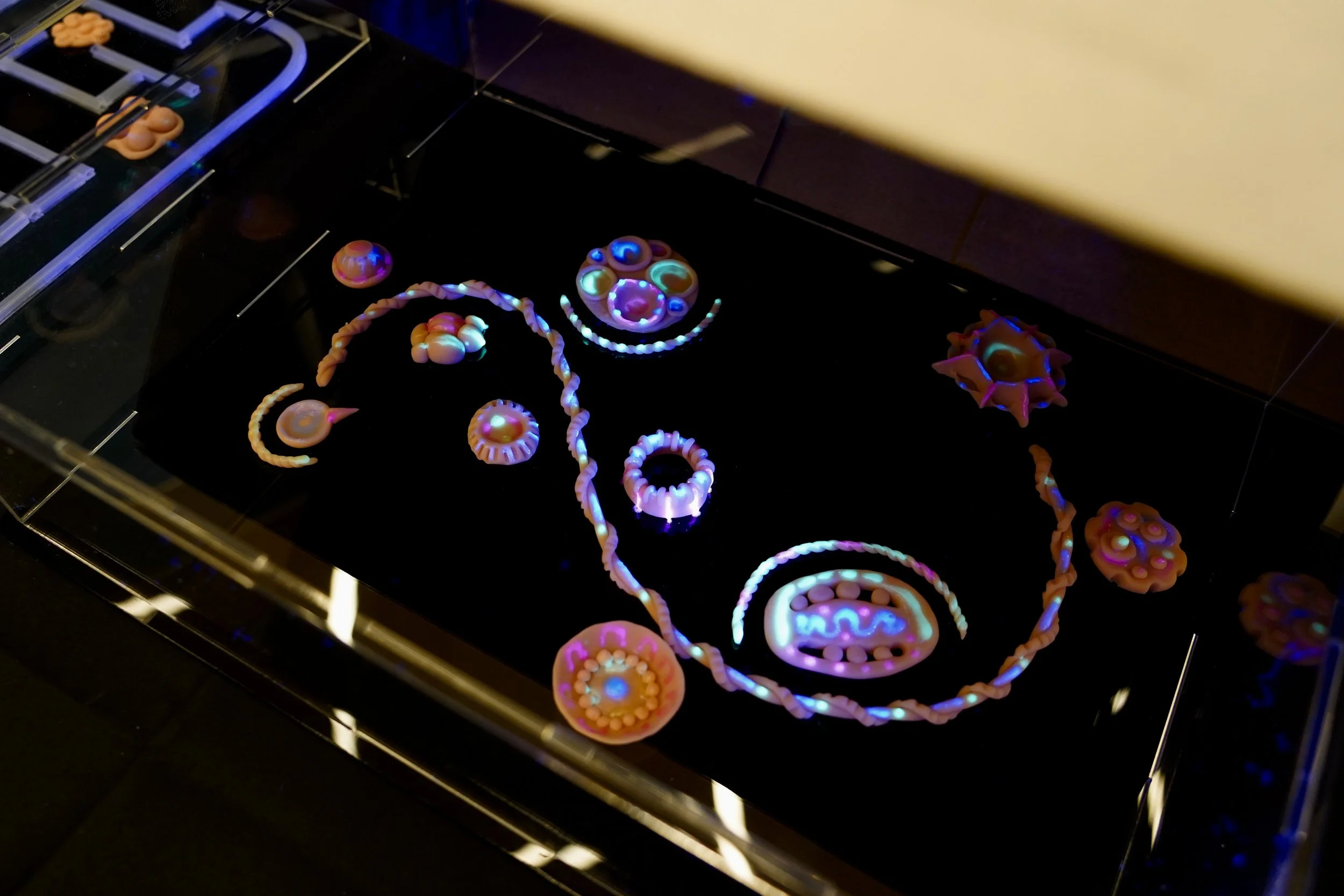
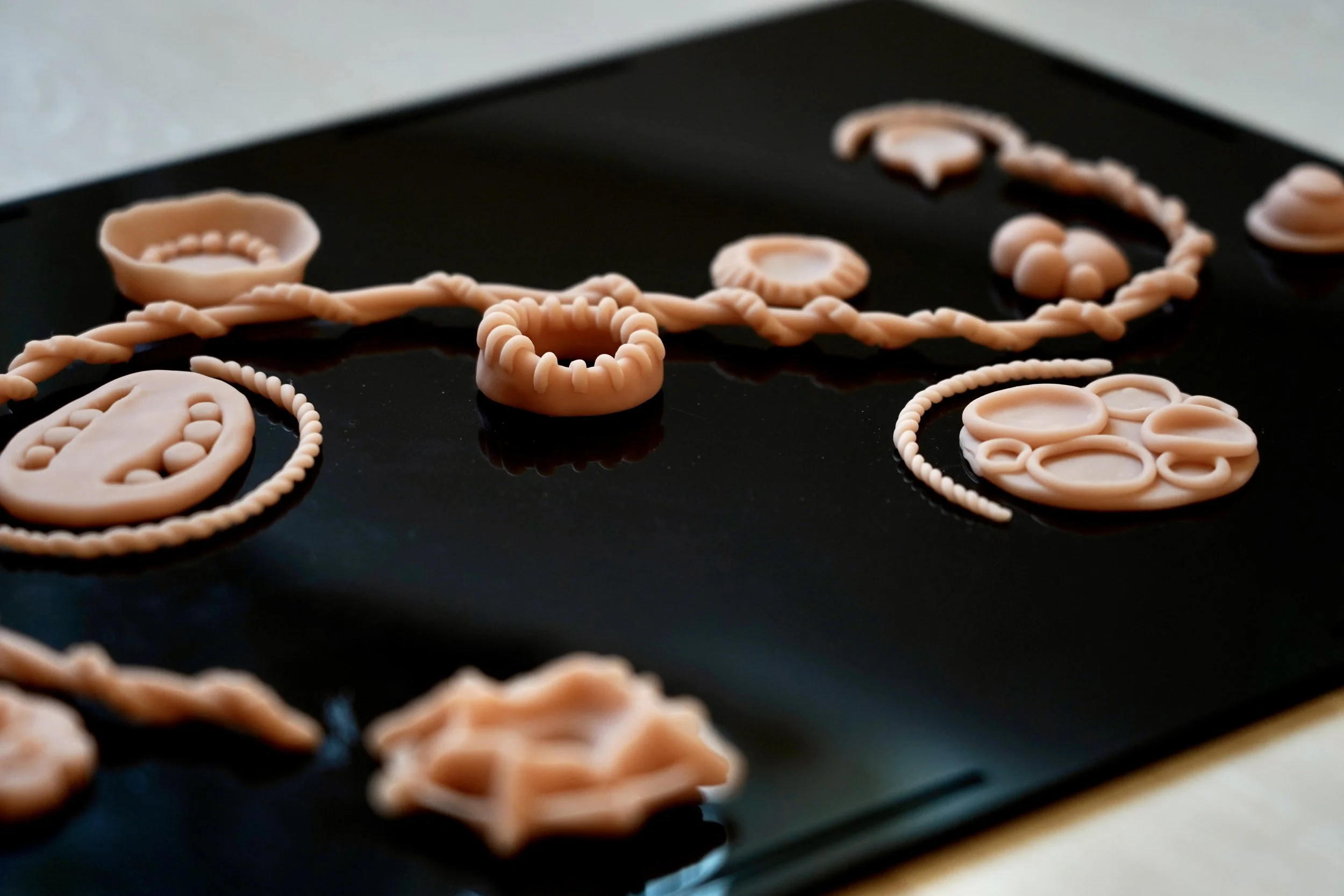
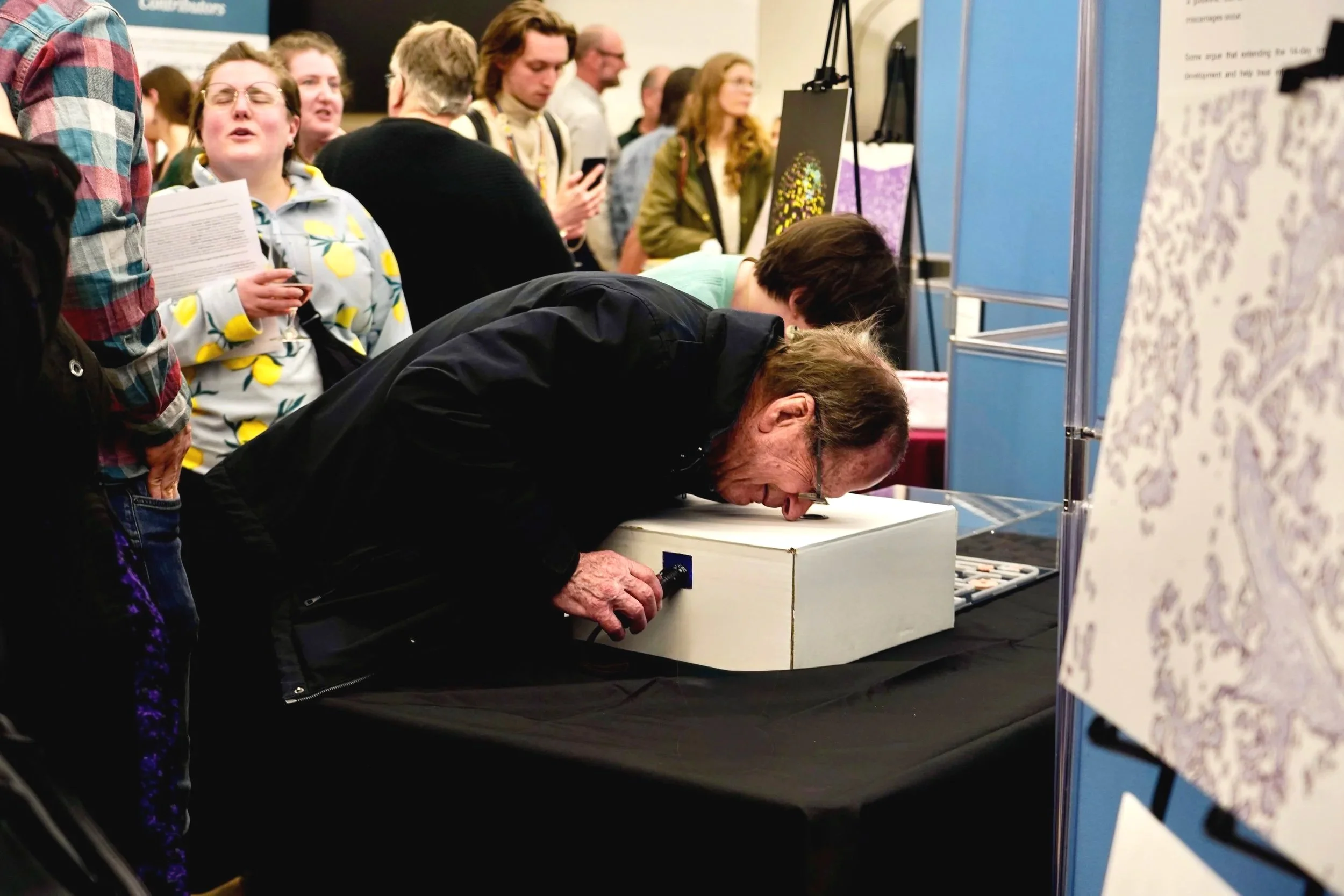
The installation was developed through close engagement with embryological research, including microscopic images documenting different stages of pre-implantation embryonic development, time-lapse recordings of the fertilisation process, and fluorescent labelling techniques used by scientists to distinguish different cell populations. This research informed the work’s sculptural forms, fluorescent markings, and interactive visual elements, allowing aspects of embryonic development normally observed under a microscope to be encountered through physical exploration and closer observation.
Panel Discussion | Crafting Life
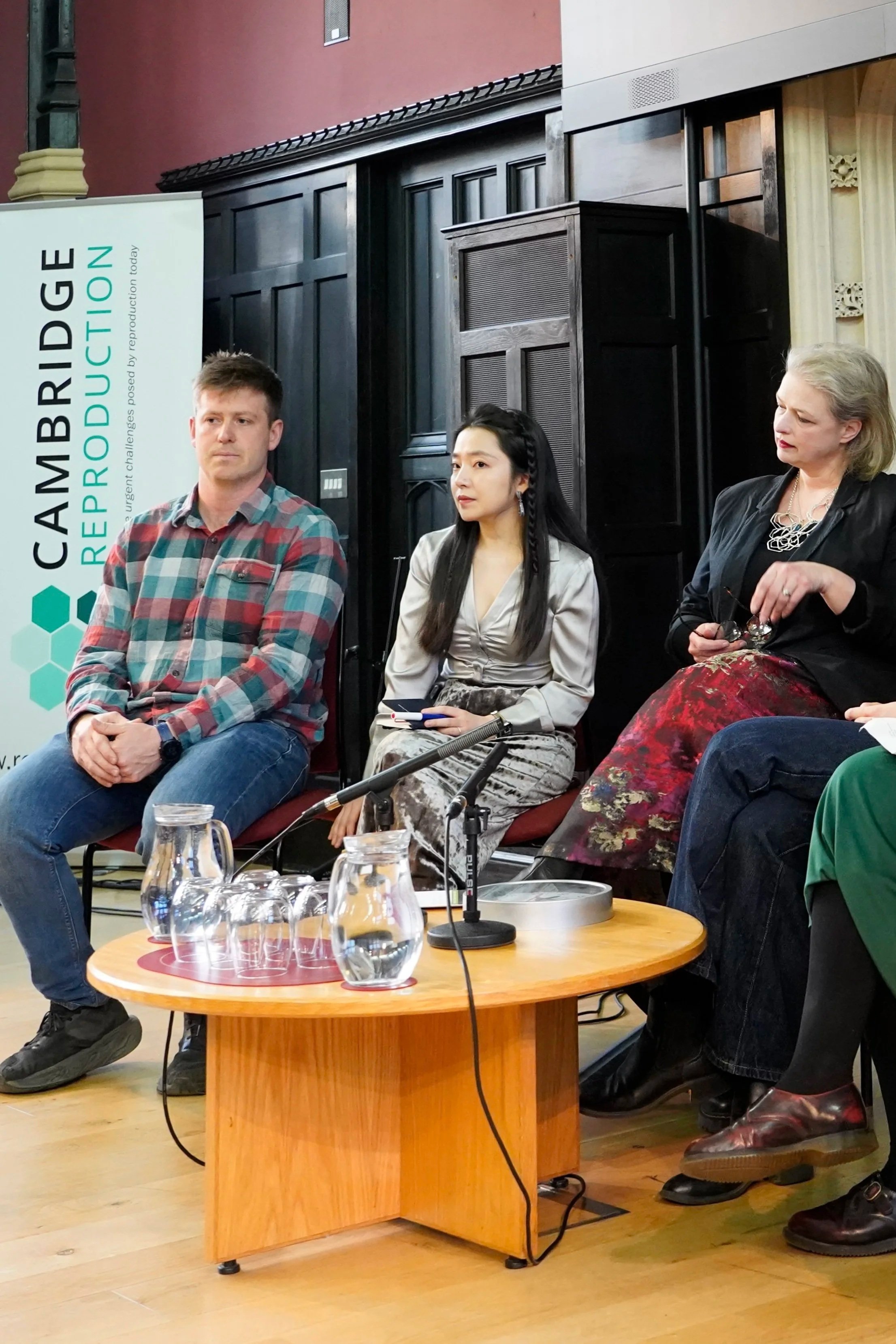
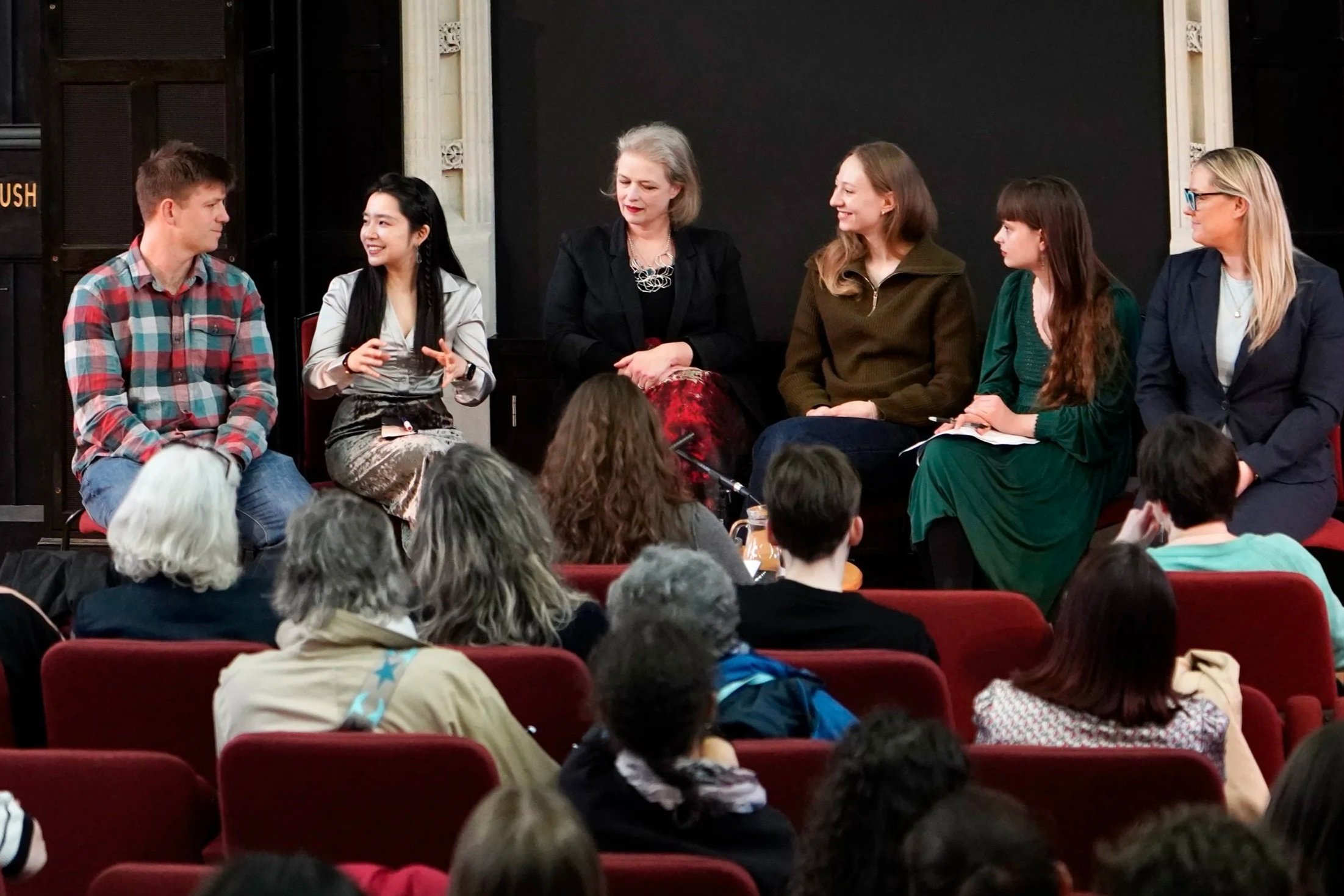
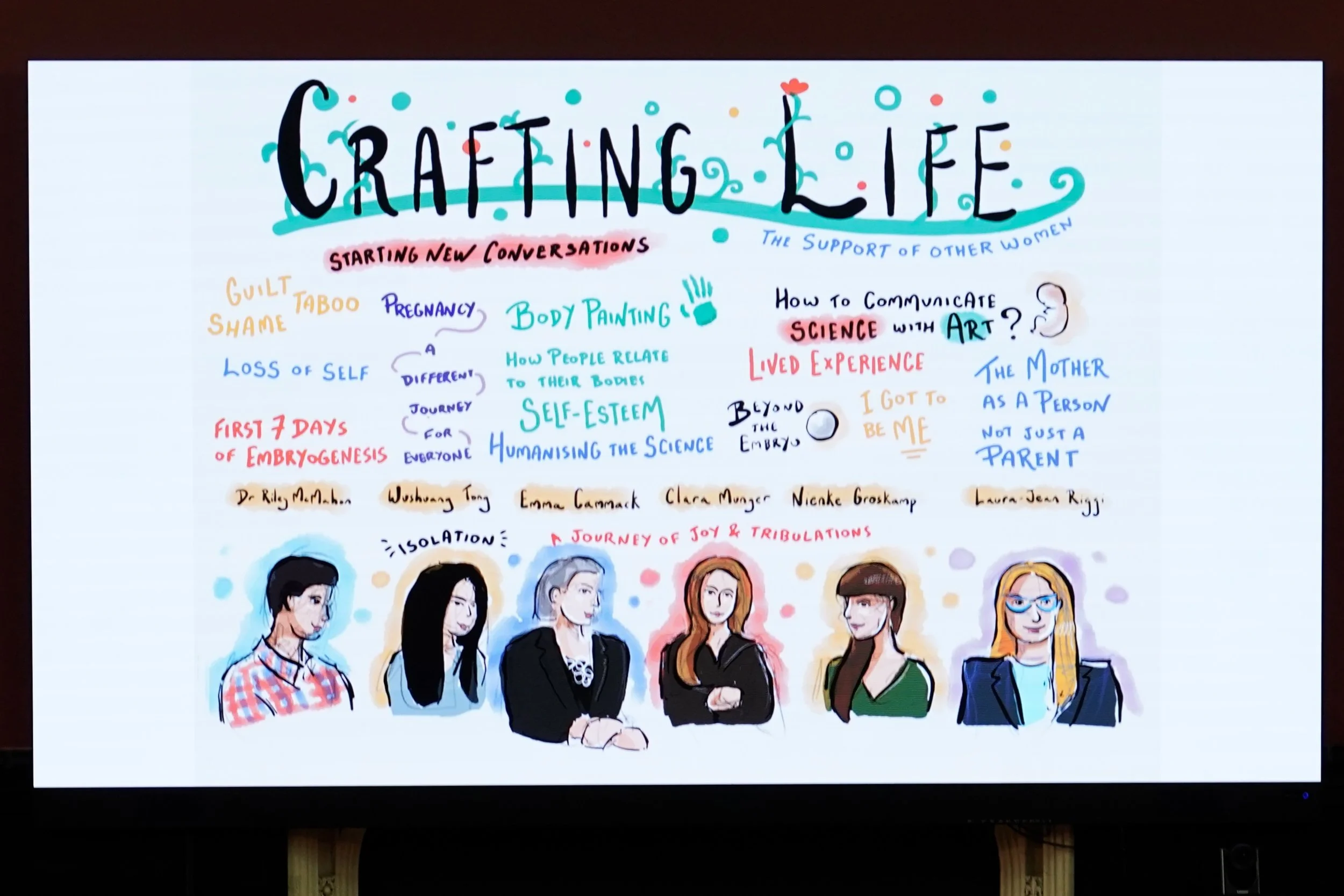
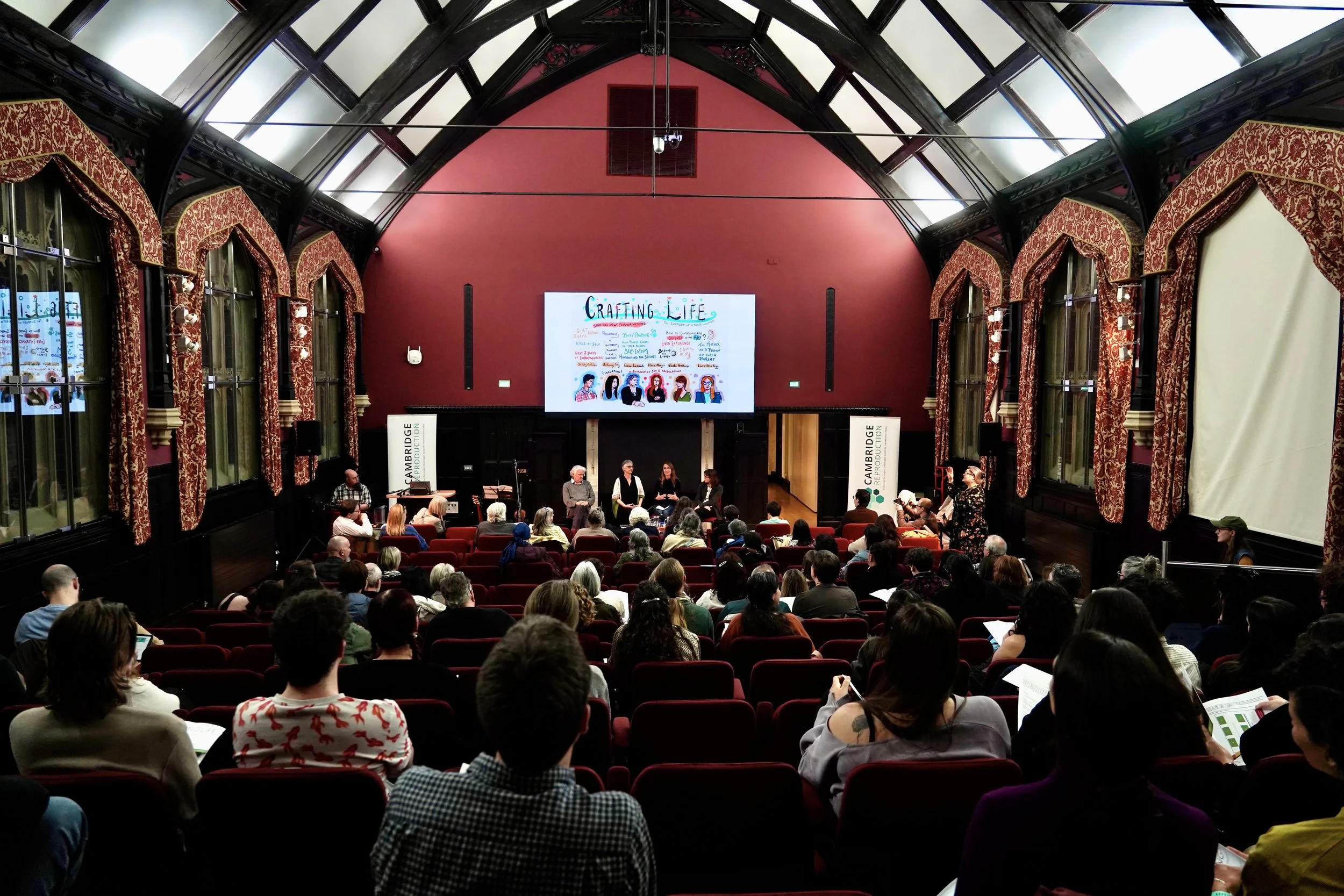
As part of the Cambridge Festival, Wushuang Tong participated as a panellist in Crafting Life: Responding Creatively to Reproduction and Women’s Health, held at St John’s College, Cambridge. The discussion brought together artists and researchers to examine how interdisciplinary collaborations inform artistic approaches to pregnancy, reproduction, and human development. The event also featured live illustrations by Professor Alex Cagan, a biologist and illustrator, capturing the exchange between art and science.